
Piper PA-20 Pacer
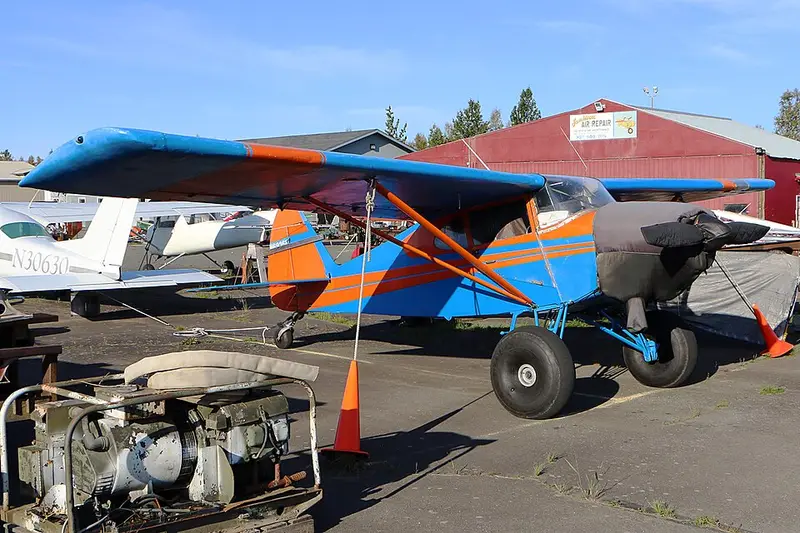
The Piper PA-20 Pacer is a light, tailwheel-equipped four-seat aircraft from the early 1950s, built as an affordable family touring aircraft in the postwar general aviation boom. Piper later removed its tailwheel and gave it tricycle landing gear to create the far more common Tri-Pacer, an easier-handling variant aimed at less experienced pilots. That change made the tailwheel Pacer itself comparatively rare today, overshadowed by its more numerous nosewheel sibling. A dedicated following of vintage aircraft owners keeps a number of well-restored Pacers flying at fly-ins and airshows.
.jpg)
Did you know?
Piper later swapped the Pacer's tailwheel for tricycle gear to create the far more common Tri-Pacer, leaving the original tailwheel Pacer comparatively rare.
Specifications
| Length | 6.4 m (21 ft) |
|---|---|
| Wingspan | 9.5 m (31 ft) |
| Height | 2 m (7 ft) |
| Maximum passengers | 3 |
| Persons on board | 4 |
| Maximum take-off weight | 0.9 t |
| Range | 500 NM (926 km) |
| Maximum speed | 110 kt (204 km/h) |
| Service ceiling | 15,000 ft (4,572 m) |
| Optimum ceiling | 12,000 ft (3,658 m) |
| Rate of climb | 800 ft/min (4.1 m/s) |
| Take-off distance | 450 m (1,476 ft) |
| Landing distance | 360 m (1,181 ft) |
| Fuel capacity | 135 l |
| Engines | 1x Lycoming O-235/O-320 |
| Units built | 1,120 |
Curated by CatchFlights from manufacturer documents, ICAO Doc 8643 and reference works; values are left out where no source could confirm them. Sources are listed on our credits page.
In CatchFlights
In CatchFlights the Piper PA-20 Pacer starts as a Rare catch. The tier is an editorial judgement of how special a sighting of this type is. The more often you catch it, the closer it moves to Common for you.
A catch counts for the manufacturer Piper, the PA-20 Pacer family and the model in your collection, and the daily Type Rating quiz asks about the types of each family.
Catch it yourself.CatchFlights shows the aircraft flying near you on a radar, so a type like this one is only a catch away when it passes overhead. Explore CatchFlights.
Browse all aircraft types, or learn to tell Airbus from Boeing.