
Lockheed U-2
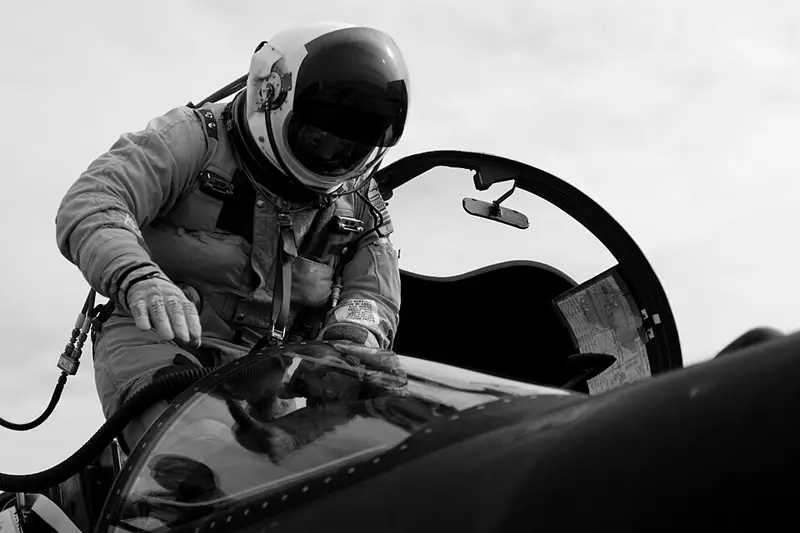
The Lockheed U-2 is a high-altitude reconnaissance aircraft with a glider-like wing built to cruise above 70,000 feet, once so far above contemporary air defences that a Soviet missile downing pilot Francis Gary Powers in 1960 became a major Cold War incident. Its extremely long, narrow wing makes it notoriously difficult to land, requiring a chase car with a second pilot to radio precise altitude calls to the pilot during the final approach. At its extreme operating altitude, pilots must wear a pressure suit similar to an astronaut's, since a cabin depressurisation would be immediately fatal without one. Remarkably, updated U-2s remain in active US Air Force service today, over seventy years after its first flight.

Did you know?
The U-2's extremely long, narrow wing gives it glider-like high-altitude range but makes it notoriously difficult to land.
Specifications
| Length | 19.1 m (63 ft) |
|---|---|
| Wingspan | 31.4 m (103 ft) |
| Height | 4.9 m (16 ft) |
| Persons on board | 1 |
| Crew | 1 |
| Maximum take-off weight | 11 t |
| Range | 6,090 NM (11,279 km) |
| Maximum speed | 410 kt (759 km/h) |
| Service ceiling | 70,000 ft (21,336 m) |
| Rate of climb | 15,000 ft/min (76.2 m/s) |
| Fuel capacity | 5,790 l |
| Engines | 1x General Electric F118 |
Curated by CatchFlights from manufacturer documents, ICAO Doc 8643 and reference works; values are left out where no source could confirm them. Sources are listed on our credits page.
In CatchFlights
In CatchFlights the Lockheed U-2 starts as a Rare catch. The tier is an editorial judgement of how special a sighting of this type is. The more often you catch it, the closer it moves to Common for you.
A catch counts for the manufacturer Lockheed, the U-2 family and the model in your collection, and the daily Type Rating quiz asks about the types of each family.
Catch it yourself.CatchFlights shows the aircraft flying near you on a radar, so a type like this one is only a catch away when it passes overhead. Explore CatchFlights.
Browse all aircraft types, or learn to tell Airbus from Boeing.