
Fokker 50
The Fokker 50 is a modernised turboprop update of the earlier Fokker F27 Friendship, one of the most successful regional airliners of the postwar era, fitted with new engines, six-blade propellers, and updated avionics. Its high wing and twin turboprops made it a common choice for regional airlines needing short-field capability the F27 had already proven over decades of service. Fokker's financial collapse in the 1990s ended production earlier than the type's popularity might otherwise have allowed. A significant number remain in active service today, especially in Africa and parts of Europe.
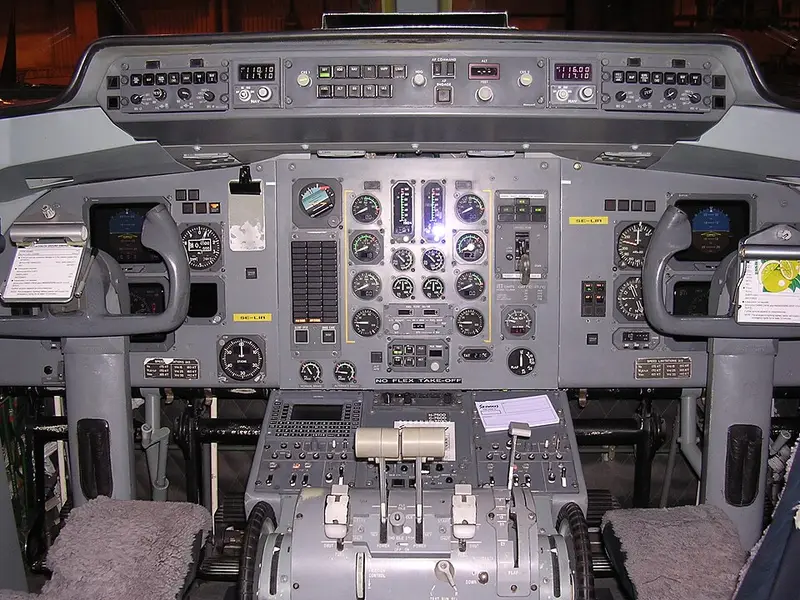

Did you know?
The Fokker 50 modernised the successful F27 Friendship with new engines, six-blade propellers, and updated avionics.
Specifications
| Length | 25.3 m (83 ft) |
|---|---|
| Wingspan | 29 m (95 ft) |
| Height | 8.3 m (27 ft) |
| Maximum passengers | 62 |
| Persons on board | 50-58 |
| Maximum take-off weight | 20.8 t |
| Range | 1,000 NM (1,852 km) |
| Maximum speed | 286 kt (530 km/h) |
| Service ceiling | 25,000 ft (7,620 m) |
| Optimum ceiling | 22,000 ft (6,706 m) |
| Rate of climb | 1,500 ft/min (7.6 m/s) |
| Take-off distance | 890 m (2,920 ft) |
| Landing distance | 1,017 m (3,337 ft) |
| Fuel capacity | 5,135 l |
| Engines | 2x PW125B |
| Units built | 213 |
Curated by CatchFlights from manufacturer documents, ICAO Doc 8643 and reference works; values are left out where no source could confirm them. Sources are listed on our credits page.
In CatchFlights
In CatchFlights the Fokker 50 starts as a Rare catch. The tier is an editorial judgement of how special a sighting of this type is. The more often you catch it, the closer it moves to Common for you.
A catch counts for the manufacturer Fokker, the 50 family and the model in your collection, and the daily Type Rating quiz asks about the types of each family.
Catch it yourself.CatchFlights shows the aircraft flying near you on a radar, so a type like this one is only a catch away when it passes overhead. Explore CatchFlights.
Browse all aircraft types, or learn to tell Airbus from Boeing.