
Douglas DC-2
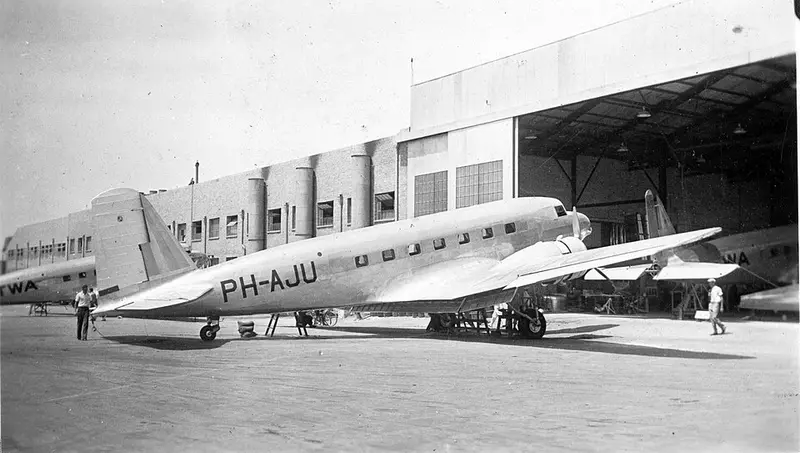
The Douglas DC-2 was the aircraft that first proved an all-metal, twin-engine monoplane airliner could be both fast and profitable, directly paving the way for its far more famous successor, the DC-3. It competed successfully against the Boeing 247, winning airline orders on speed and cabin comfort that helped establish Douglas as a dominant airliner manufacturer for decades to come. Its retractable landing gear and variable-pitch propellers were advanced features for a mid-1930s airliner, features the DC-3 inherited and refined further. Very few DC-2s survive today, overshadowed by the DC-3's far larger production run and longer service life.

Did you know?
The DC-2 proved an all-metal, retractable-gear monoplane airliner could beat the Boeing 247 on speed and comfort, paving the way for its far more famous successor, the DC-3.
Specifications
| Length | 18.9 m (62 ft) |
|---|---|
| Wingspan | 25.9 m (85 ft) |
| Height | 5 m (16 ft) |
| Maximum passengers | 14 |
| Persons on board | 18 |
| Maximum take-off weight | 8.4 t |
| Range | 1,000 NM (1,852 km) |
| Maximum speed | 191 kt (354 km/h) |
| Service ceiling | 22,450 ft (6,843 m) |
| Optimum ceiling | 18,000 ft (5,486 m) |
| Rate of climb | 1,030 ft/min (5.2 m/s) |
| Engines | 2x Wright Cyclone (radial) |
| Units built | 192 |
Curated by CatchFlights from manufacturer documents, ICAO Doc 8643 and reference works; values are left out where no source could confirm them. Sources are listed on our credits page.
In CatchFlights
In CatchFlights the Douglas DC-2 starts as a Legendary catch. The tier is an editorial judgement of how special a sighting of this type is. The more often you catch it, the closer it moves to Common for you. The first catch of a legendary type pays a bonus of its own.
A catch counts for the manufacturer Douglas, the DC-2 family and the model in your collection, and the daily Type Rating quiz asks about the types of each family.
Catch it yourself.CatchFlights shows the aircraft flying near you on a radar, so a type like this one is only a catch away when it passes overhead. Explore CatchFlights.
Browse all aircraft types, or learn to tell Airbus from Boeing.